 Shoopy
 How to choose a commerce platform for your business
Ownership, operations, apps, billing and long-term scalability — the five questions that separate platforms, and how to test each one before you commit.

Most platform comparisons start with feature checklists. Feature lists converge — everyone has product pages, carts and coupons. The platforms differ on five questions that only show up after you have moved in, when moving out is expensive. Ask them first.
1. Who owns the store?
The question behind every other question. On a marketplace, the customer who bought your product is the platform’s customer: you don’t get their number, you can’t message them, and next week’s search ranking decides whether they find you again. On your own store the domain, the customer list and the order history are yours.
The test: ask where the customer’s phone number lives, and who is allowed to message it.
2. Can it run your counter too?
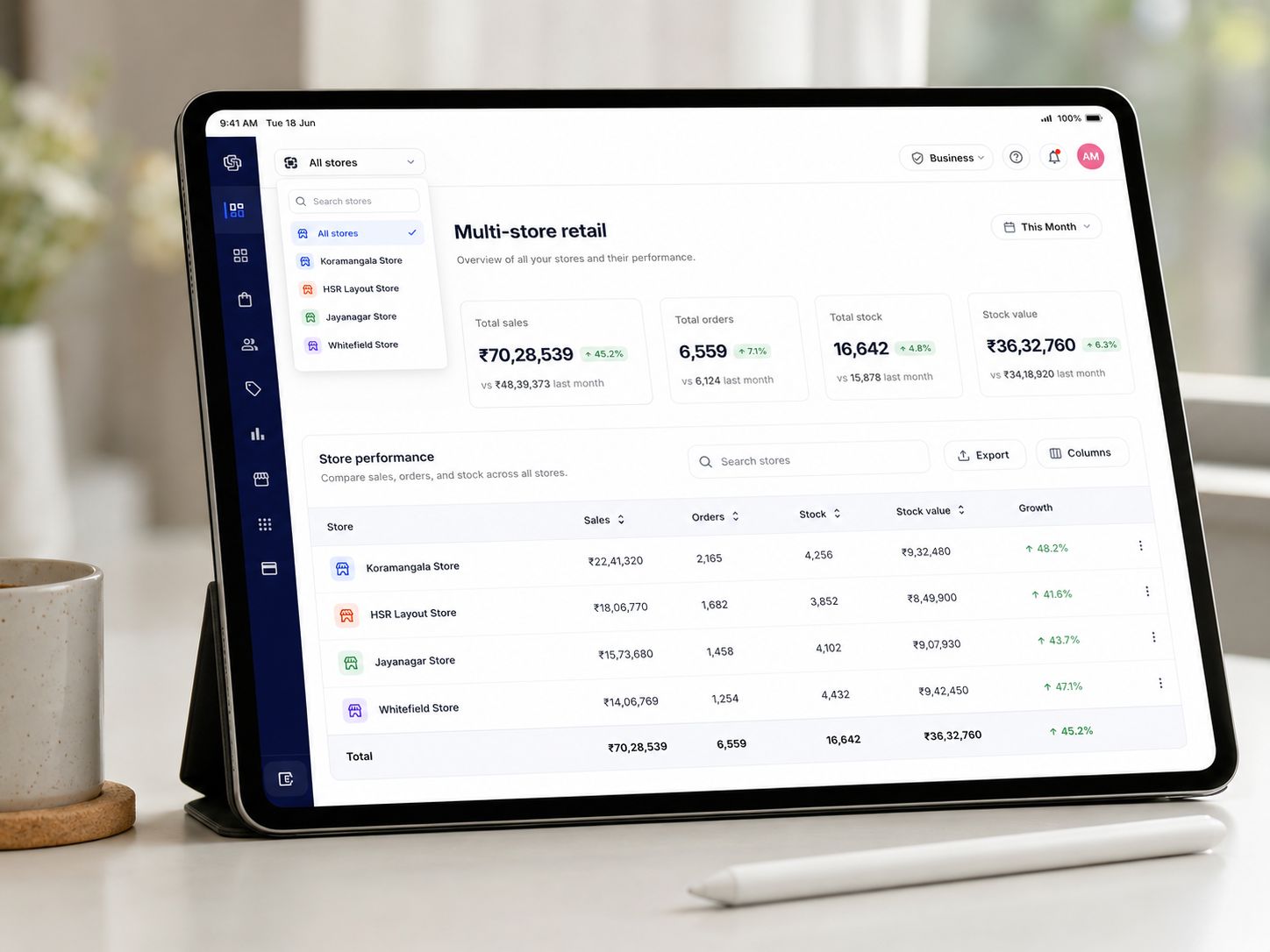
If you have a physical shop, the online store is half the operation. A platform that only does e-commerce leaves billing, GST and stock in a second system — and two catalogues that drift apart until the online store sells something the shelf no longer has.
The test: bill one item at the counter and watch whether the online stock count moves.
3. What does the app actually cost you?
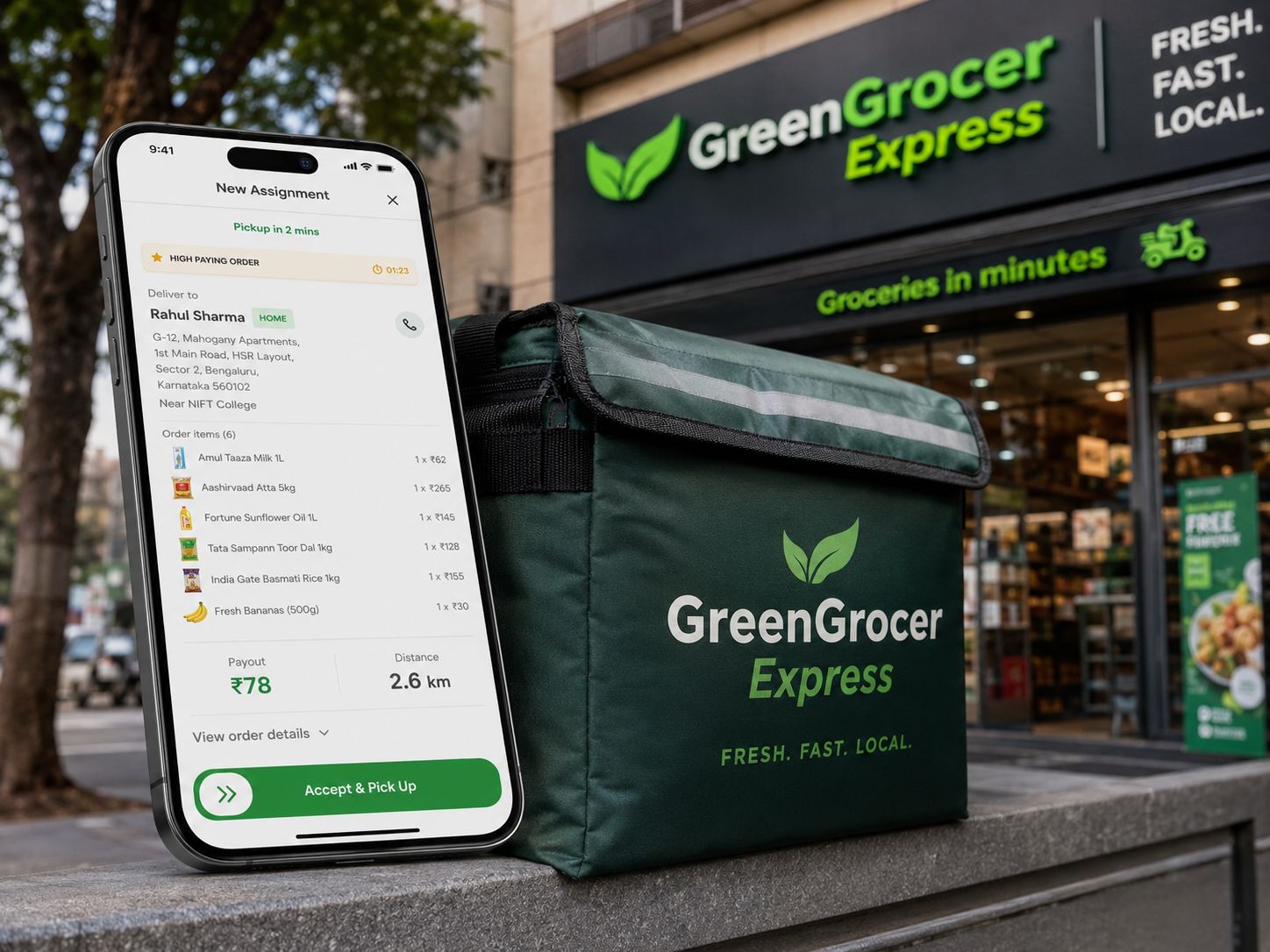
A branded app is the strongest retention tool a store can own — the weekly reorder becomes one tap, and a push notification costs nothing per message. But “we have apps” hides a lot of variation: whose name is on the app store listing, which plan tier includes Android or iOS, and whether the app reads the same catalogue as the store or needs separate upkeep.
The test: find a store the platform launched, and check whose brand is on the Play Store listing.
4. How does the billing model scale with you?
Percentage-of-sales pricing is easy to start with and painful to grow with: the platform’s cut rises exactly as fast as your success. Flat plans invert that — the platform costs the same in a good month. Read the whole fee schedule, including what happens past any plan limit, before comparing headline prices.
The test: model a month at 10× your current orders and compare the two bills.
5. What happens when you outgrow it?
Ask about the ceiling while you are small: product limits, staff logins, multiple locations, and whether your data exports cleanly if you ever leave. A platform confident about its ceiling will state the numbers on its pricing page; treat vagueness as an answer.
The test: read the plan-comparison table for the plan two sizes above yours.
These five questions are why Shoopy is built the way it is: a store on your own domain, billing and GST at the counter on the same catalogue, your own app on the app stores, and flat yearly plans with every number public. However you choose, choose with the questions above — they outlast any feature list.